
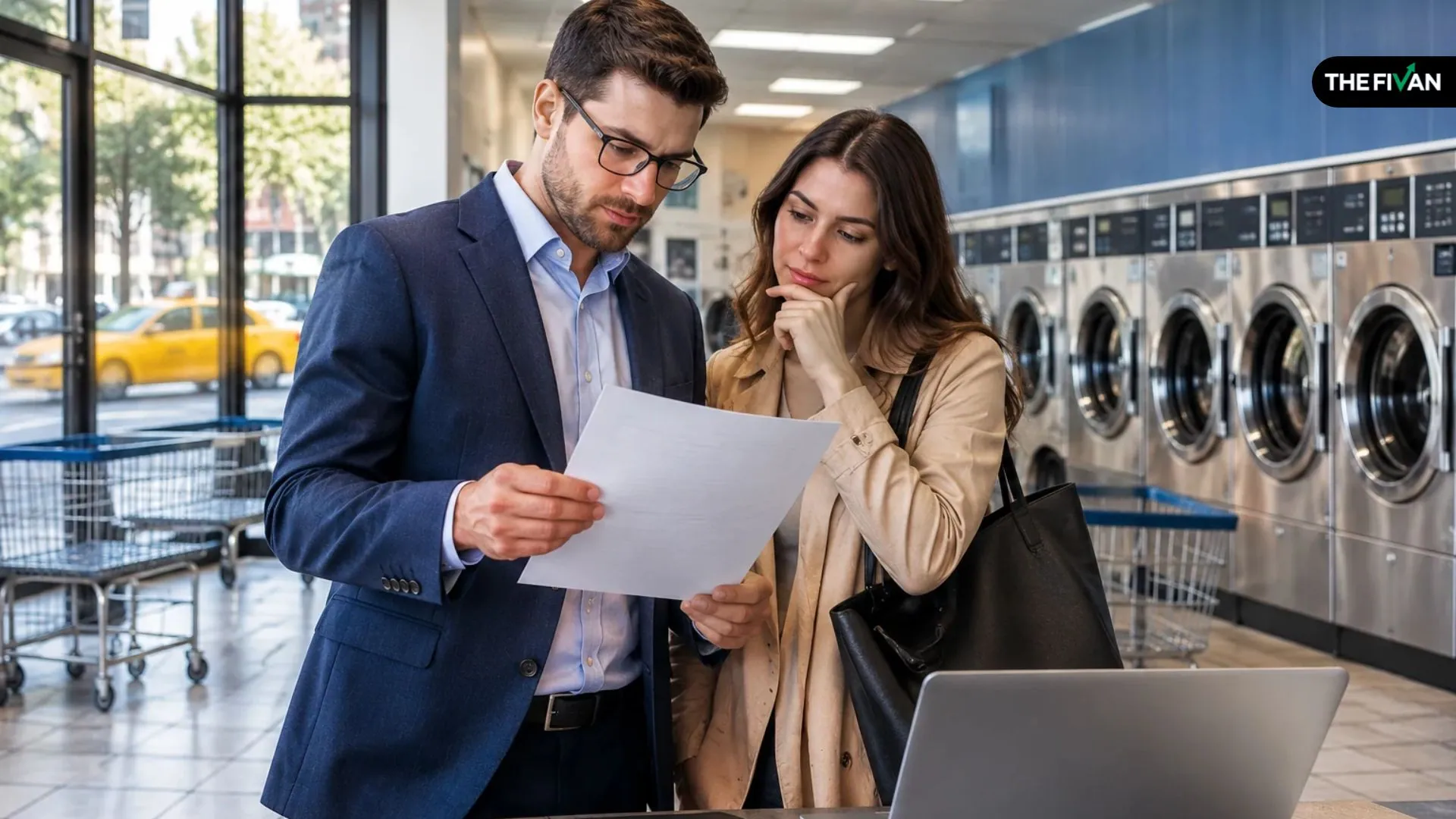
Finding a laundromat for sale in NYC starts with comparing business listings, asking prices, and locations across Manhattan, Brooklyn, Queens, and the Bronx. Websites such as BizBuySell and BizQuest are useful starting points. You can also search for owner-posted opportunities and contact business brokers.
The asking price is only the first part of the decision. A laundromat advertised for $200,000 might need major equipment repairs, while a more expensive business might have stronger records and a more secure lease. Before making an offer, check the reported income, operating expenses, equipment, lease terms, and total cash you will need. These checks can help you avoid paying for a business that cannot support its costs.
Direct Answer
A laundromat for sale in NYC is an existing laundry business offered for purchase. Before buying, compare the asking price with verified income, operating costs, lease terms, equipment condition, and the cash needed after closing.
Experience
Treat a listing’s revenue and cash-flow figures as claims until they match tax returns, bank deposits, utility bills, and machine records. If records do not line up, ask for an explanation and have an acquisition accountant review the deal before committing.
Where Can You Find a Laundromat for Sale in NYC?
Several online marketplaces list existing laundromats and coin-operated laundry businesses. Each has different advantages, so comparing more than one source can help you find suitable opportunities.
1. BizBuySell
BizBuySell’s NYC laundromat directory lets you browse businesses by location and compare asking prices and advertised cash flow.
Listings may include details such as the number of washing machines, annual revenue, reported earnings, rent, and remaining lease term. Some sellers provide more information than others.
Use this website to build an initial shortlist, not to decide whether a business is worth buying. Advertised financial information still needs independent checking.
2. BizQuest
BizQuest’s New York City metro-area directory provides another source of laundry-business opportunities.
Be careful with the location filters. A listing described as part of the NYC metro area might be outside the five boroughs. Confirm the actual address before comparing rent, local demand, or other costs.
3. Craigslist and owner-posted listings
Search Craigslist for laundry businesses offered directly by owners.
Buying directly from an owner may give you an opportunity to ask detailed questions about daily operations, equipment repairs, and the reason for selling. However, direct contact does not automatically mean a deal is cheaper or safer.
Confirm that the seller has authority to sell the business, that the listing is current, and that its financial claims can be supported. Treat unclear prices, unusually attractive earnings claims, and requests for money before proper verification as reasons to slow down.
4. Search by borough and neighborhood
A broad NYC search is useful initially, but location-specific research becomes more important as you narrow your choices.
- Manhattan: Compare rent, nearby apartment buildings, competition, and the lease carefully.
- Brooklyn: Compare individual neighborhoods rather than treating the whole borough as one market.
- Queens: Search specific neighborhoods and examine nearby housing, customer access, and competing laundromats.
- The Bronx: Compare local demand, rent, equipment condition, and the stability of the premises.
Do not assume that one borough is always the most profitable. A business in a high-demand area can still struggle if rent and other expenses consume most of its income.
Before spending time on a listing, contact the seller or broker to confirm that the business is still available and that the advertised price and terms are current.
How Much Does a Laundromat Cost in NYC?
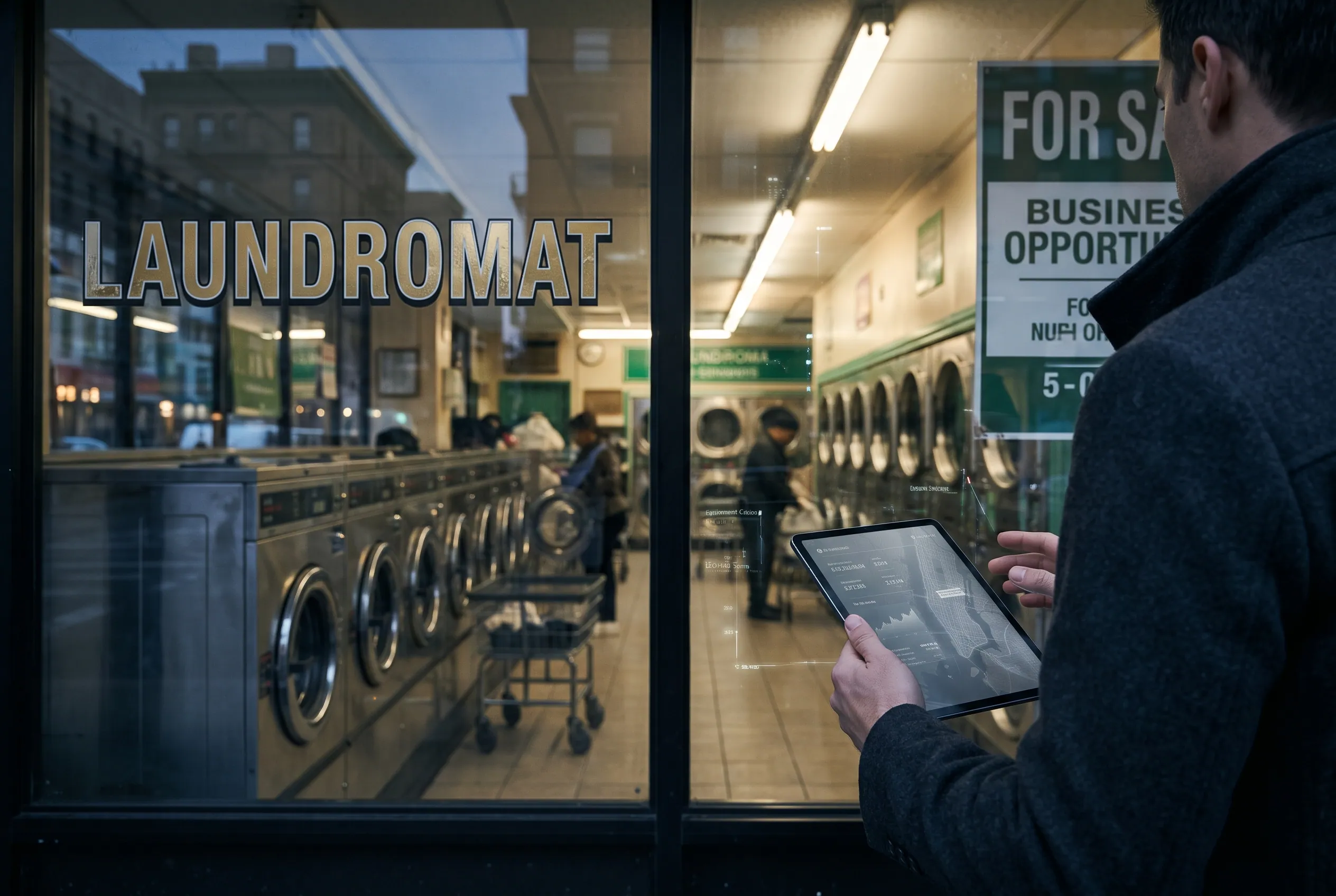 There is no single purchase price for every NYC laundromat. The cost depends on the business’s size, equipment, financial performance, lease, location, and included assets.
A review of BizBuySell’s NYC listings on October 22, 2026, showed asking-price examples ranging from approximately $145,000 for a Brooklyn laundry business to $2.5 million for a Queens listing. These are advertised prices from individual listings, not verified sale prices or a guarantee that the businesses remain available.
The same directory displayed a Manhattan self-service laundromat priced at $795,000 with reported cash flow of $265,000. Those financial figures were listing claims and were not independently verified.
BizBuySell also displayed a median asking price of $464,750 for its New York, NY laundromat directory. Treat this as a marketplace-reported figure based on listings, not an independently verified measure of what NYC laundromats actually sell for.
What affects the asking price?
Several factors can explain why two laundromats have very different prices.
Machine count and capacity: A larger facility with more working machines may generate more sales, but it may also require more maintenance, space, and utilities.
Financial performance: A business with well-documented income and expenses may justify a higher price than an otherwise similar business with uncertain financial records.
Equipment condition: Recently serviced machines may reduce near-term repair needs. Older equipment can require substantial spending after a purchase.
Lease terms: A long, transferable lease with reasonable rent increases can be valuable. A short lease with uncertain renewal rights can put the buyer at risk.
Additional services: Wash-and-fold, pickup and delivery, or commercial laundry contracts may create additional revenue. They may also require staff, vehicles, extra equipment, and more management.
How should you judge a listing price?
Use advertised figures as an initial screening tool.
For example, the Manhattan listing above had an asking price of $795,000 and reported cash flow of $265,000. Dividing the asking price by the advertised cash flow gives a ratio of 3.0.
That calculation may help you compare listings, but it does not prove the business is fairly priced. The cash-flow figure could be inaccurate, and the definition of cash flow might exclude important costs. You must also consider equipment replacement, future rent, loan payments, and the work required to operate the laundromat.
A low price deserves careful investigation, not an automatic yes. A high price deserves the same scrutiny.
What Is the Difference Between Asking Price and Total Cash Needed?
The asking price is what the seller wants for the business. Your total cash requirement may be higher because buying and operating a laundromat can involve several additional expenses.
Depending on the transaction, you may need money for:
- Lease deposits and other amounts due when taking over the premises.
- Legal and accounting fees.
- Equipment repairs or replacement.
- Utility deposits, insurance, and other operating setup costs.
- Payroll and supplier bills during the transition.
- Working capital, which is money kept available to pay ordinary expenses while the business operates.
The exact costs depend on the deal and should be confirmed before you commit.
A hypothetical purchase-budget example
Imagine a laundromat advertised for $500,000. For planning purposes only, suppose you estimate $15,000 for closing and professional fees, $35,000 for repairs, and $50,000 for working capital.
| Item | Illustrative amount |
| Business purchase price | $500,000 |
| Closing and professional fees | $15,000 |
| Initial repairs | $35,000 |
| Working capital | $50,000 |
| Total estimated requirement | $600,000 |
These amounts are fictional examples, not typical NYC cost estimates or quotations. Actual costs may be lower or higher. Taxes, financing charges, deposits, and other transaction-specific expenses may also change the budget.
In this example, the buyer needs to plan around $600,000 in total costs before accounting for any financing structure. A loan may reduce the amount of the buyer’s own cash needed at closing, but it introduces repayment obligations.
Practical rule: Do not decide that you can afford a laundromat until you understand both the purchase price and the additional cash required to complete the deal and keep the business running.
If you are considering opening a new laundromat instead, prepare a separate startup budget. Buying an established business and building one from scratch involve different equipment, installation, premises, and customer-base requirements.
What Should a Laundromat’s Financial Records Tell You?
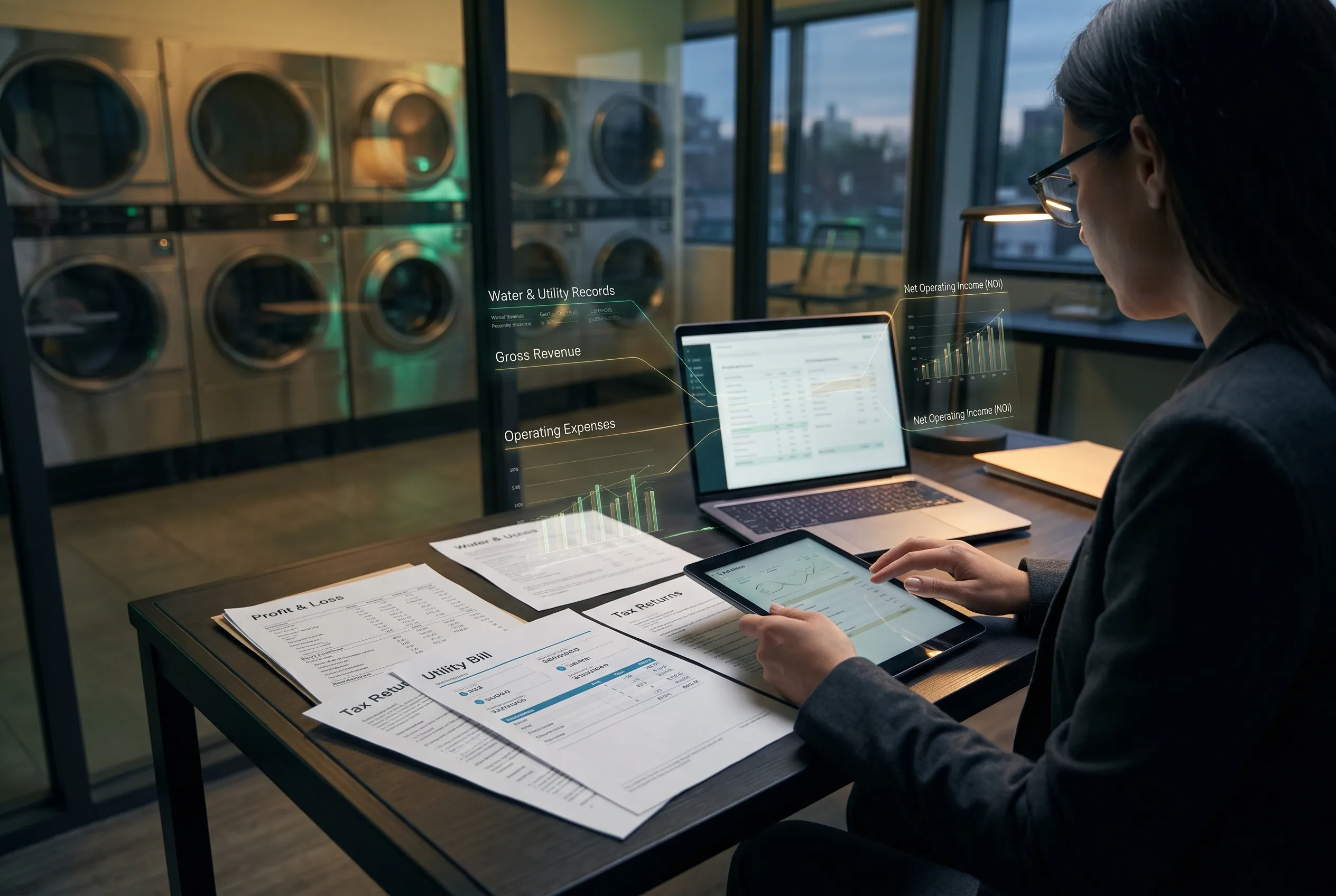 A listing can look attractive while hiding costs that reduce the owner’s actual earnings. You need to understand what the financial numbers mean before comparing one business with another.
Gross revenue is not profit
Gross revenue is the money a business brings in from sales before expenses. A laundromat might collect money from self-service machines, wash-and-fold services, delivery, or other offerings.
Operating expenses are the costs of running the business. These can include rent, water, gas, electricity, labor, insurance, repairs, cleaning, payment processing, and other recurring bills.
Profit is what remains after the relevant expenses are deducted. The exact figure depends on which expenses and accounting measures are included.
What is net operating income?
Net operating income, or NOI, generally means income remaining after operating expenses but before financing costs and income taxes. However, definitions can differ between sellers and advisers, so ask for a clear breakdown.
For example, a laundromat may report healthy operating income but still leave less money for its owner after loan payments and major equipment purchases.
What is seller’s discretionary earnings?
Seller’s discretionary earnings, often shortened to SDE, is a measure used when valuing smaller owner-operated businesses. It generally starts with reported earnings and adds back certain owner-related expenses and other specified costs.
SDE can help buyers compare businesses, but the adjustments matter. Some costs that the seller adds back may still be necessary for the new owner.
If an owner performs daily work without receiving a market-rate salary, you may need to account for the cost of hiring someone to do that work. Otherwise, the reported earnings could overstate what you can earn while staying away from the business.
Which records should you request?
Ask for documents covering several periods, where available:
- Business tax returns.
- Monthly profit-and-loss statements.
- Business bank statements and sales records.
- Water, gas, and electricity bills.
- Payroll, insurance, repair, and maintenance records.
- Lease documents, including amendments and rent increases.
- Equipment lists and service histories.
Compare the numbers across these records. If the seller reports rising revenue but water use and machine activity appear flat, ask why. There may be a reasonable explanation, but you should not accept a guess in place of evidence.
A laundromat-specific due-diligence guide from Laundromat Resource discusses combining utility records, coin counts, and business documents to assess reported income. These methods have limits, but together they may help identify inconsistencies.
How Can You Verify a Laundromat’s Reported Revenue?
Revenue verification is especially important when a business collects cash or has incomplete records. One document rarely tells the whole story.
Follow a clear process.
First, request the original financial records. Ask for tax returns, monthly statements, bank deposits, sales reports, and supporting bills. If records are missing, ask the seller to explain exactly what is unavailable and why.
Second, compare income with operating activity. Look at machine counts, payment-system reports, coin collection records where relevant, and utility usage. These records can help test whether reported sales make sense, but none proves revenue by itself.
Third, compare expenses over time. Check whether rent, utilities, payroll, repairs, and other costs match the seller’s projections. A recent repair bill or a pattern of rising water use may affect future cash flow.
Fourth, ask about unexplained differences. If the documents do not match, request further evidence. Do not fill gaps with optimistic assumptions about future sales.
Finally, get independent help before committing. A qualified accountant familiar with business acquisitions can review the records and identify adjustments that affect earnings or value.
Be particularly careful with claims that depend mainly on undocumented cash sales. If you cannot verify an important part of the reported income, you cannot reliably calculate the business’s value or its ability to support debt payments.
What Should You Check in the NYC Location and Lease?
Even a financially attractive laundromat can become a poor purchase if the lease is insecure or the premises do not support continued operations.
Start with the immediate area. Look at apartment buildings, competing laundromats, customer access, visibility, and the services offered by nearby businesses. Visit the location at different times when possible. Observe whether customers use the facility and whether the machines appear to be operating.
Then review the lease carefully.
Check the remaining term, renewal options, rent increases, additional charges, permitted use, and responsibility for maintenance. Find out whether the lease can be transferred to you and whether the landlord must approve the transaction.
Before signing a purchase agreement or paying a nonrefundable deposit, have a business attorney review the lease and any required landlord consent. Do not assume the existing lease automatically transfers with the business or that you can renew it on the same terms.
A laundromat’s financial records may reflect the current rent, not the rent you will pay after buying it. If rent increases substantially, the business could become less profitable even if customer sales remain steady.
Compare each location using the same factors rather than choosing a borough based on reputation alone. A smaller business with a secure lease and verifiable income may be a more suitable opportunity than a larger business with expensive rent and uncertain renewal rights.
How Do You Check the Equipment, Property, and NYC Requirements?
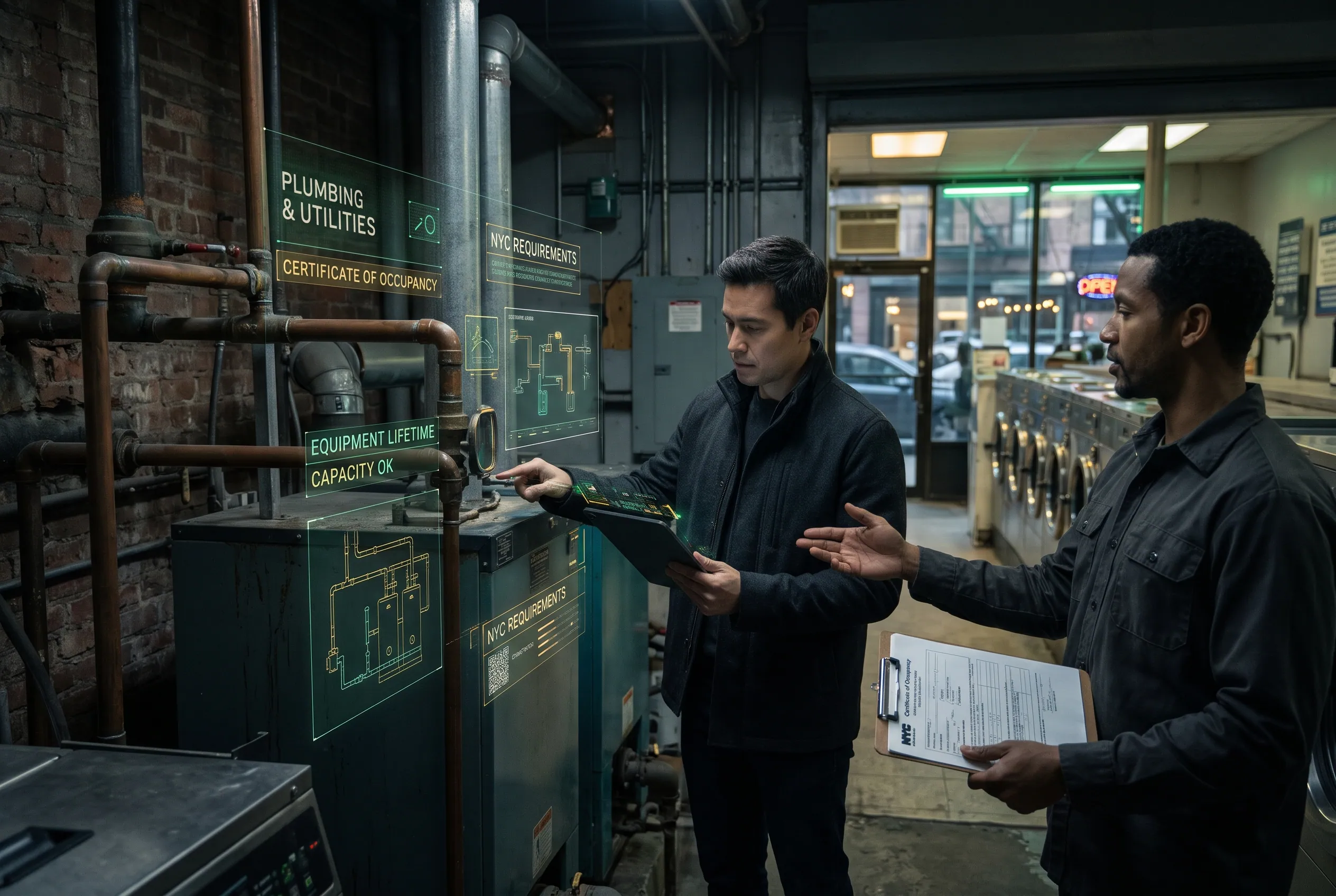 A laundromat depends on machinery and building systems that can be costly to repair. A walk-through is useful, but it should not replace a proper equipment and property inspection.
Inspect the equipment
Request a list of the washers, dryers, boilers, and other major equipment. Check ages, service records, known faults, and any planned replacements. Have a qualified technician inspect equipment when the potential repair cost could materially affect your decision.
Also review plumbing, drainage, hot-water systems, electrical service, gas connections, and other building systems that support the operation.
Ask who pays for repairs under the lease. The seller may own the machines but not the underlying building. A buyer must understand the difference between business assets and landlord-owned property.
Check the permitted use
New York City rules depend on the business model and premises.
According to the city’s Certificate of Occupancy guidance, this document states a building’s legal use or permitted occupancy. Check the relevant property records and confirm that the intended business use is allowed.
Understand laundry licensing
NYC repealed its retail laundry licensing requirement effective December 31, 2021. However, the city says that industrial laundry and industrial laundry delivery businesses continue to require licensing under the applicable rules. See the official retail laundry license repeal notice and NYC311’s industrial laundry license guidance.
The relevant rules can depend on whether you operate a self-service retail laundromat, process laundry for commercial clients, or run a related service. Do not assume the retail-license repeal removes every permit or legal requirement.
Before closing, confirm the applicable requirements with the relevant NYC agencies. Depending on the property and business model, other approvals or utility-related requirements may also apply.
How Can You Finance and Complete a Laundromat Purchase?
Possible funding sources include your own available funds, a bank loan, seller financing, or a loan supported by a government guarantee program. Each arrangement has different costs and conditions.
Consider SBA 7(a) financing
The U.S. Small Business Administration’s 7(a) loan program can support eligible business acquisitions and changes of ownership. The program’s maximum loan amount is $5 million, but that is not a promise of approval or the amount any buyer will qualify for.
You apply through a participating lender, which evaluates the transaction and your ability to repay the loan. Eligibility depends on the business, borrower, and program rules.
Compare interest rates, fees, repayment periods, required contributions, collateral, and other terms in writing. A lower monthly payment may involve a longer repayment period and a higher total repayment cost.
Ask whether seller financing is available
Some sellers may be willing to accept part of the purchase price over time. This arrangement can reduce the amount the buyer must fund upfront, but its value depends on the contract.
Review the interest rate, payment schedule, default terms, and any conditions imposed by other lenders. Do not assume that seller financing is available simply because it appears in other listings.
Get the transaction documents reviewed
Before completing the purchase, have the financial records, lease, and purchase agreement reviewed by the appropriate professionals.
Business acquisitions can also have tax consequences. The IRS guidance on selling a business explains that a lump-sum sale may need to be allocated among the assets transferred. Depending on the transaction, the buyer and seller may also need to consider IRS Form 8594.
Your accountant and attorney can help determine which requirements apply to the deal. Do not assume that an advertised price alone tells you the final tax treatment.
What Questions Should You Ask Before Making an Offer?
Use this checklist when speaking with a seller or broker.
- Why is the owner selling the business?
- How long has it operated at this location?
- Can the seller provide tax returns and monthly financial statements?
- Do bank deposits, machine records, and utility bills support the reported revenue?
- Which machines need repair or replacement?
- What are the current rent and other recurring occupancy charges?
- How long remains on the lease, and what renewal rights are available?
- Will the landlord approve the transfer?
- Which equipment and other assets are included in the price?
- Are there outstanding debts, liens, legal disputes, or unpaid bills that could affect the transaction?
- How much working capital may be needed after closing?
- Which permits, licenses, or approvals apply to the intended operation?
Not every unanswered question automatically means you should reject a business. It does mean you need more information before judging its value.
Be cautious when a seller refuses reasonable document requests, pushes you to pay before verification, or makes profit claims that cannot be supported. If a crucial financial fact remains unclear, pause the transaction until you can assess the risk.
Also, treat terms such as “absentee-run” and “passive income” carefully. A laundromat may still need maintenance, cleaning, customer service, security, staff supervision, and emergency repairs. If the business depends on the owner working unpaid hours, its future earnings may look different once you hire someone to perform those duties.
Frequently Asked Questions
How much does a laundromat cost in NYC?
Advertised asking prices vary widely. The October 22, 2026, BizBuySell directory snapshot included examples from roughly $145,000 to $2.5 million. These are listing prices, not verified completed-sale prices, and they do not represent the full cash needed to buy and operate a business.
Where can I find a laundromat for sale by owner in NYC?
Start with owner-posted Craigslist listings and compare them with opportunities on BizBuySell and BizQuest. Confirm the seller’s authority, the current asking price, the business’s availability, and the supporting financial records before moving forward.
Which NYC boroughs should I compare when buying a laundromat?
Compare specific neighborhoods in Manhattan, Brooklyn, Queens, and the Bronx. Consider local demand, competition, rent, equipment, customer access, and lease security. The right choice depends on the individual business rather than the borough name alone.
How do I verify a laundromat’s cash flow before buying?
Request tax returns, monthly profit-and-loss statements, bank deposits, utility bills, and machine records. Compare them across several periods and investigate unexplained differences. An accountant experienced in business acquisitions can help assess the records before you make a financial commitment.
What should I check in a laundromat lease before buying?
Review the remaining lease term, renewal options, rent increases, additional charges, permitted use, and landlord consent requirements. Have a business attorney review the lease and transfer arrangements before you sign a binding agreement.
Make Your Next Move Carefully
Start by shortlisting a few NYC laundromats that fit your budget and preferred location. Ask for current financial records, review the lease, and inspect the equipment before deciding whether the asking price makes sense.
A good purchase is not simply the business with the lowest price or the highest advertised cash flow. It is an opportunity whose income, costs, operating requirements, and contractual terms you can understand and verify before committing your money.
Disclaimer
Financial circumstances, transaction terms, local requirements, and financing eligibility vary, and outcomes are not guaranteed. This article provides general financial education, not personalized financial, investment, legal, or tax advice. Before buying a laundromat, consider having a qualified business accountant and attorney review the financial records, lease, and purchase documents.