
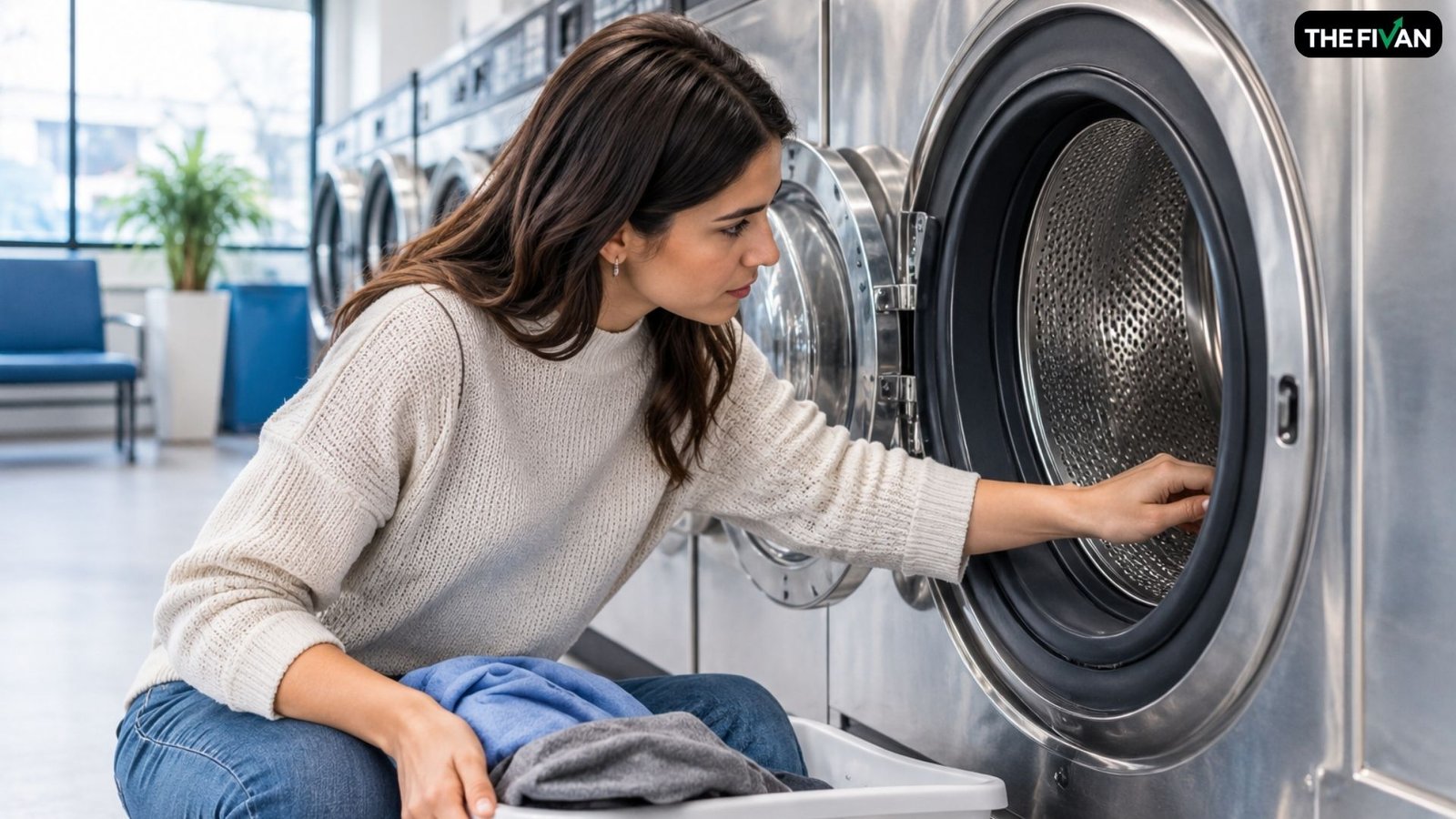
Are laundromats clean? Many laundromats can provide a clean place to wash clothes, but their condition depends on how well the facility and its machines are maintained. Shared washing machines, dryers, laundry carts, and folding tables may collect dirt or germs. However, using a public laundromat does not automatically mean your clothes will become unsafe or dirty.
You can reduce avoidable hygiene risks by checking the machine before use, following your clothing care labels, using detergent correctly, and drying clothes completely. It also helps to know when a machine looks poorly maintained and when a different machine or facility may be a better choice.
You do not need to disinfect everything you touch during every laundry trip. A few sensible checks can help you make a more informed decision without making laundry harder than it needs to be.
Direct Answer
Laundromats can be clean, but hygiene varies by facility and machine. Inspect equipment, use detergent and suitable wash settings, keep clean clothes off dirty surfaces, and dry items completely.
Experience
Before loading clothes, inspect the drum and door seal, then check for persistent odors or heavy residue. If a machine looks poorly maintained, use another one and tell staff. Visible cleanliness helps, but it cannot guarantee that surfaces are germ-free.
Are Laundromats Clean? The Answer Depends on Maintenance
Laundromats are shared spaces, so their cleanliness can vary. One facility may have regularly maintained machines, clean folding tables, and staff who respond to problems. Another may have dirty machine interiors, overflowing lint containers, or a general lack of upkeep.
The important point is to judge the actual facility rather than assume that every laundromat is clean or dirty.
A machine that looks clean is a reasonable starting point, but appearance cannot prove that every surface is free of microorganisms. Likewise, finding an occasional stain or noticing a small amount of lint does not automatically mean a machine will make your clothes unsafe.
Look at several signs together:
- Machine condition: The drum is free of obvious debris, and the door or lid area does not have heavy residue.
- Smell: There is no persistent musty or sour odor coming from the machine.
- Shared areas: Folding tables and laundry carts appear reasonably clean and usable.
- General maintenance: Floors, trash areas, and equipment show signs of regular care.
- Staff response: Employees have a reasonable process for reporting and addressing dirty or faulty machines.
These observations cannot guarantee that a laundromat is free from every germ. They can, however, help you avoid visibly poorly maintained equipment.
The way you wash and dry your clothes also matters. Suitable detergent, the right wash settings, careful handling, and complete drying all contribute to good laundry hygiene.
What Can Make a Laundromat Less Hygienic?
Several parts of a laundromat can affect cleanliness. Understanding them helps you focus on practical precautions rather than worrying about every shared surface.
Shared Washing Machines and Dryers
Many people may use the same washer or dryer throughout the day. Clothes can carry sweat, dirt, body oils, and microorganisms into a machine. Detergent residue, lint, and moisture can also collect in areas that are not cleaned regularly.
Pay particular attention to the following:
- Washer drum: Look for obvious dirt, leftover items, or unusual residue.
- Rubber door seal: Front-loading washers may have a gasket around the opening where moisture and debris can collect.
- Detergent compartment: Visible buildup may suggest that the machine needs attention.
- Dryer drum: Check for leftover lint, debris, or items from a previous load.
- Unusual odors: A persistent musty smell may indicate a maintenance or moisture problem.
Not every washing machine has a rubber door seal. Top-loading and front-loading machines differ, so inspect the parts your particular machine has.
If you see substantial residue, suspect visible mold, or notice a strong and persistent odor, choose another machine and notify staff. You generally do not need to scrub or dismantle a public machine yourself.
Folding Tables, Laundry Carts, and Other Shared Surfaces
The machine is not the only place where clothes can come into contact with other surfaces.
People frequently touch cart handles, machine controls, door handles, folding tables, and seating areas. These surfaces can collect dirt and microorganisms, especially when cleaning is inconsistent.
This does not mean that every shared surface is dangerous. It means that clean clothes should be handled thoughtfully after washing.
For example, avoid placing freshly washed clothes on a visibly dirty table. Use a clean laundry basket or bag to carry them, and wash your hands after handling dirty laundry or touching visibly contaminated surfaces.
If a folding table looks dirty, use another clean area or ask staff about the appropriate way to clean it. Before using a wipe or cleaning product, check that it is suitable for the surface and follow the product label.
What Does Research Say About Germs in Public Washing Machines?
Research suggests that microorganisms can sometimes move from shared washing machines onto fabrics. This finding supports sensible hygiene practices, but it does not mean that using a laundromat will normally cause an illness.
A 2022 study of public washing machines examined 17 machines at six laundromats. The researchers found evidence of microbial transfer to fabric under the study’s tested conditions, which included cold-water washing.
The study was limited in size and scope. It did not establish what percentage of US laundromats are clean, measure infection rates among customers, or prove that all public washing machines present the same risk.
It is important to separate three different things:
- A machine contains microorganisms.
- Some microorganisms transfer to clothing.
- A person develops an infection after exposure.
These outcomes are related, but they are not interchangeable. The presence of microorganisms alone does not prove that someone will become sick.
The practical lesson is to use detergent and appropriate wash settings, avoid visibly poorly maintained machines, and handle clean clothes carefully. There is no need to treat every laundromat visit as a major health threat.
How to Check a Laundromat Before You Use It
A quick inspection before loading your clothes can help you spot obvious problems. You do not need special equipment or a long cleaning routine.
What to Check Inside the Washer and Dryer
Before using a machine, open it and look inside.
Check for visible dirt, leftover clothing, excessive lint, unusual stains, or a strong unpleasant smell. If you are using a front-loading washer, inspect the visible part of the rubber seal for trapped debris or heavy residue.
A small amount of lint may be normal in a shared laundry facility. Heavy buildup, persistent damp odors, or obvious maintenance problems deserve more attention.
Also check the controls and any posted instructions. If a machine appears damaged, leaks water, or has a faulty door, do not use it until staff address the issue.
A useful rule: If you can see a clear problem before starting the wash, there is little reason to risk your clothes in that machine when another suitable option is available.
Signs of Good Overall Maintenance
After checking the machine, take a look around the facility.
A well-maintained laundromat will generally show signs of regular housekeeping. Folding surfaces should be usable, laundry carts should be reasonably clean, and trash should not be overflowing. The floors and customer areas should not show widespread dirt or signs of neglect.
Restrooms, if available, and other shared areas can also provide clues about the facility’s overall maintenance. However, one imperfect area does not necessarily tell you everything about the equipment.
Look for a pattern rather than making a decision based on one minor issue. A facility where most machines and common areas appear cared for may be a better choice than one with repeated signs of poor upkeep.
Staff availability is another useful factor. Employees should have a way to receive complaints about dirty machines, unusual odors, leaks, or equipment problems. Their response can help you decide whether to continue using the facility.
Warning Signs That Deserve Attention
Some problems are more concerning than an ordinary mark or a few strands of lint.
Consider another machine or facility if you notice:
- Visible mold-like growth or heavy residue inside the machine.
- A persistent musty or sour odor that appears to come from the washer.
- Significant dirt or debris left inside after a previous load.
- Strong signs of moisture problems or neglected equipment.
- Repeated reports of a machine malfunctioning without an obvious response.
You do not need to diagnose the cause yourself. For example, a musty odor may indicate trapped moisture or residue, but smell alone cannot confirm the presence of a particular mold or germ.
When the cause is unclear, tell staff what you noticed and ask whether the machine has been inspected or cleaned. Choose another machine while the problem remains unresolved.
How to Wash and Dry Clothes More Hygienically
Once you have selected a suitable machine, a few straightforward steps can help you clean your clothes effectively.
Use the Right Detergent and Wash Settings
Start by reading your clothing care labels and the detergent instructions.
The correct water temperature depends on the fabric, the type of soil, and the cleaning needs of the load. Hot water may be suitable for some washable items, but it is not right for every garment. Delicate fabrics, for example, may need cooler water or a gentler cycle.
Use enough detergent for the load and follow the product’s directions. Adding much more detergent than recommended does not automatically make clothes cleaner. Excess product can leave residue and may make rinsing more difficult.
Avoid overloading the washer. Clothes need enough room to move through the wash so water and detergent can reach the fabric. A machine packed too tightly may not clean the load as effectively.
For routine laundry, follow the machine instructions and use the appropriate wash cycle. If an item has special cleaning instructions, follow those instead of choosing a cycle based only on a general preference for hot water.
The CDC’s guidance on cleaning and disinfecting recommends following garment instructions and using an appropriate water temperature and drying method.
Special disinfecting products are not automatically needed for every ordinary load. If you believe an item has been exposed to a specific infectious substance, follow applicable public-health guidance rather than relying on an ordinary wash to solve every possible problem.
Keep Clean Clothes Away From Dirty Surfaces
After the wash finishes, think about where your clean clothes will go.
Bring a clean laundry basket or bag if practical. Avoid putting washed clothes directly onto a visibly dirty cart, floor, or folding table.
If you use a public folding table, inspect it first. When cleaning is needed, use a product that is appropriate for the surface, and follow its label. Do not mix cleaning products or spray chemicals into a washing machine unless the manufacturer or facility instructions specifically allow it.
Keep dirty laundry separate from clean laundry in your basket or bag. This makes it easier to transport clean clothes without placing them back against heavily soiled items.
You do not have to disinfect every surface you encounter. Focus on places where clean clothes will actually rest, particularly when a surface is visibly dirty.
Dry Clothes Completely
Drying is an important part of the laundry process. Damp clothes stored in a pile or closed bag may develop an unpleasant odor, particularly when they remain damp for a long time.
Choose a dryer setting that suits the garments, and follow the care label. Some items tolerate higher heat, while others may shrink or become damaged. If an item should not be tumble-dried, use an appropriate alternative.
Allow enough drying time for the load to become completely dry. Thick towels and bedding may need more time than lightweight shirts.
Do not assume that a high-heat cycle kills every possible germ. Heat’s effect depends on the organism, the temperature reached, the exposure time, and other conditions. Ordinary drying is useful for removing moisture, but it is not a universal disinfection guarantee.
If clothes remain damp, continue drying them using a suitable setting or choose an appropriate alternative. Avoid packing damp laundry away for later use.
Practice Simple Hand Hygiene
Your hands may touch dirty clothing, machine controls, laundry carts, and other shared objects during a laundry trip.
Wash your hands with soap and water when available, particularly after handling dirty laundry and before eating. Hand sanitizer can be a practical alternative when handwashing facilities are unavailable, provided it is used according to its label.
You do not need to wash your hands after every individual touch. A reasonable routine is to clean your hands after handling the dirty load and before touching food or other items that you want to keep clean.
These simple habits help you manage contact with shared surfaces without adding unnecessary steps to an ordinary laundry trip.
What About Bed Bugs, Bedding, and Heavily Soiled Items?
Some laundry situations need more care than a regular load of everyday clothes. Bed bugs, bedding, and delicate fabrics have different cleaning needs, so it is important not to use one rule for every item.
Can Bed Bugs Live in Laundromats?
Bed bugs can be transported in clothing, bags, and other belongings. A laundromat is a shared environment, so bringing infested items into the facility may create a risk of exposing other belongings. That does not mean bed bugs are present in every laundromat.
If you suspect that your belongings contain bed bugs, keep affected items contained in sealed bags while transporting them. Avoid placing loose items on shared tables or mixing them with clean laundry.
Heat can be an important part of bed-bug treatment, but the result depends on suitable temperature and exposure time. Simply washing an item does not guarantee that all bed bugs or eggs will be eliminated.
If you have a confirmed or suspected infestation, consider guidance from a qualified pest-control professional. Avoid assuming that a routine laundry cycle will solve an infestation throughout your home.
Are Laundromats Suitable for Bedding and Towels?
Yes, laundromats can be useful for bedding, blankets, towels, and other bulky items, provided the machine is suitable for the load and the items can be cleaned according to their care instructions.
Before washing, check the item label and any posted equipment capacity instructions. A large blanket that fits poorly inside a machine may not wash or rinse effectively. An oversized or very heavy load can also make it harder to achieve an even wash.
Choose the right machine size, use the recommended amount of detergent, and make sure the item dries completely. Thick bedding can retain moisture after the outer surface feels dry.
If an item is heavily soiled or contaminated with a specific substance, ordinary laundry advice may not be enough. Follow appropriate product or public-health instructions for that situation.
What About Delicate Fabrics?
Delicate fabrics may need cooler water, a gentle cycle, or air-drying. Always read the care label before choosing the machine settings.
If the label says an item should not be machine-washed or tumble-dried, do not ignore that instruction just because a laundromat has a convenient cycle.
The goal is to clean the item without damaging it. A fabric-appropriate cycle is a better choice than using the hottest setting on every load.
What Should You Do If a Machine Looks or Smells Dirty?
If you notice an obvious problem, taking a different machine is often the easiest first step.
Use this simple sequence:
- Stop before loading your clothes. If you see heavy residue, visible mold-like growth, or another clear maintenance issue, do not start the cycle.
- Check another suitable machine. Look for similar signs before using it.
- Tell staff about the problem. Describe the machine and what you noticed so they can inspect it.
- Ask for help if the problem is unclear. Staff may know whether the machine is awaiting maintenance or needs cleaning.
- Consider another facility if problems keep happening. Repeated maintenance issues across several machines may be a reason to choose a different laundromat.
If your clothes come out with a persistent unpleasant odor, check your detergent use, the load size, the wash settings, and whether the items dried completely. If necessary, rewash them using a suitable cycle.
Do not add multiple cleaning chemicals in an attempt to remove an odor. Mixing products can create dangerous fumes, and chemicals that are unsuitable for the machine may damage it.
Also avoid dismantling or attempting to repair shared equipment yourself. Let the facility’s staff or maintenance team handle the machine.
How to Choose a Well-Maintained Laundromat
Choosing a laundromat is easier when you consider the overall experience rather than relying on one sign.
Start by looking at the general condition of the facility. Are the machines reasonably clean? Are folding areas usable? Is lint being managed? Do the customer areas show signs of regular maintenance?
Next, consider how staff handle problems. A facility with a clear way to report dirty or faulty machines gives customers a practical route to getting an issue addressed. You can ask how often the facility cleans its equipment or what to do when a machine appears dirty.
If you visit more than one laundromat, compare their maintenance, convenience, available machine sizes, and the services you need. A nearby facility may be more convenient, but convenience alone should not outweigh repeated signs of poor upkeep.
Do not expect every machine to look brand new. Instead, look for reasonable cleanliness and a consistent pattern of care. One minor issue may be temporary; recurring problems across machines and shared areas are more useful reasons to reconsider your choice.
You can also check recent local reviews for reports about maintenance, but treat individual comments as personal experiences rather than proof that a facility is always clean or unsafe.
The practical goal is to find a laundromat that appears well maintained, responds to reported problems, and allows you to wash and dry your clothes according to their care needs.
Frequently Asked Questions
Is it sanitary to do laundry at a laundromat?
It can be. Many laundromats provide suitable facilities for washing clothes, but cleanliness varies. Inspect the machine, use detergent and appropriate wash settings, and dry clothes completely. Avoid equipment with obvious signs of poor maintenance.
Can bed bugs live in laundromats?
Bed bugs can be transported into shared laundry spaces through infested clothing, bags, or belongings. Keep suspected infested items contained and follow evidence-based treatment guidance. Do not assume that a normal washing cycle will eliminate every bed bug or egg.
Can you catch something from laundromats?
Microorganisms can sometimes transfer between laundry and machine surfaces, but that does not mean every exposure causes illness. Research on public washing machines has identified possible microbial transfer under tested conditions. Sensible precautions include using detergent correctly, choosing appropriate wash settings, avoiding visibly dirty machines, and practicing hand hygiene.
Do clothes get clean at a laundromat?
They can, provided you use a suitable machine, the correct amount of detergent, and appropriate wash settings. Do not overload the washer, follow fabric care labels, and dry items completely. If clothes remain dirty or smell unpleasant after washing, review the settings and consider rewashing them.
How often are laundromats cleaned?
There is no single cleaning schedule that can be assumed for every US laundromat. Cleaning routines vary by facility, equipment, and use. Look for signs of regular maintenance and ask staff about their cleaning practices if you have concerns. A visibly dirty machine should not be treated as suitable merely because the facility has a posted routine.
Make Your Next Laundry Trip a More Informed Choice
Laundromats can be a practical way to keep clothes clean, even when you do not have a washer or dryer at home. The key is to pay attention to the condition of the machine, use appropriate washing and drying methods, and avoid equipment with clear maintenance problems.
Before your next load, inspect the washer, check the shared areas where your clean clothes will go, and follow the fabric care labels. If a machine looks dirty or smells persistently unpleasant, choose another one and tell staff.
You do not need to eliminate every imaginable risk. Focus on the things you can observe and control, and choose a better-maintained facility when recurring problems make you uncomfortable.
Disclaimer
This article provides general information and education, not personalized financial, investment, legal, or tax advice. Individual circumstances and outcomes vary, and no particular result is guaranteed.